

Shopping for full coverage car insurance quotes is about as fun as a root canal — except the dentist only charges you once. The average American driver overpays by hundreds of dollars a year simply by never comparing rates. That’s not loyalty. That’s inertia with a price tag. Here’s how to fix it in less time than it takes to get an oil change.
What “Full Coverage” Actually Means
Spoiler: it’s not one policy. “Full coverage” is industry shorthand for bundling three separate coverages together:
- Liability — covers damage you cause to other people and their property (required in virtually every state)
- Collision — pays to repair your car after an accident, regardless of who caused it
- Comprehensive — covers theft, fire, hail, floods, and that deer that materialized out of nowhere on I-70
Add-ons like uninsured motorist coverage, roadside assistance, and gap insurance often get lumped in too. Nationally, full coverage averages around $1,760 per year — but that number swings hard based on your zip code, driving record, vehicle, and which insurer you happen to ask. Which is exactly why shopping around matters.
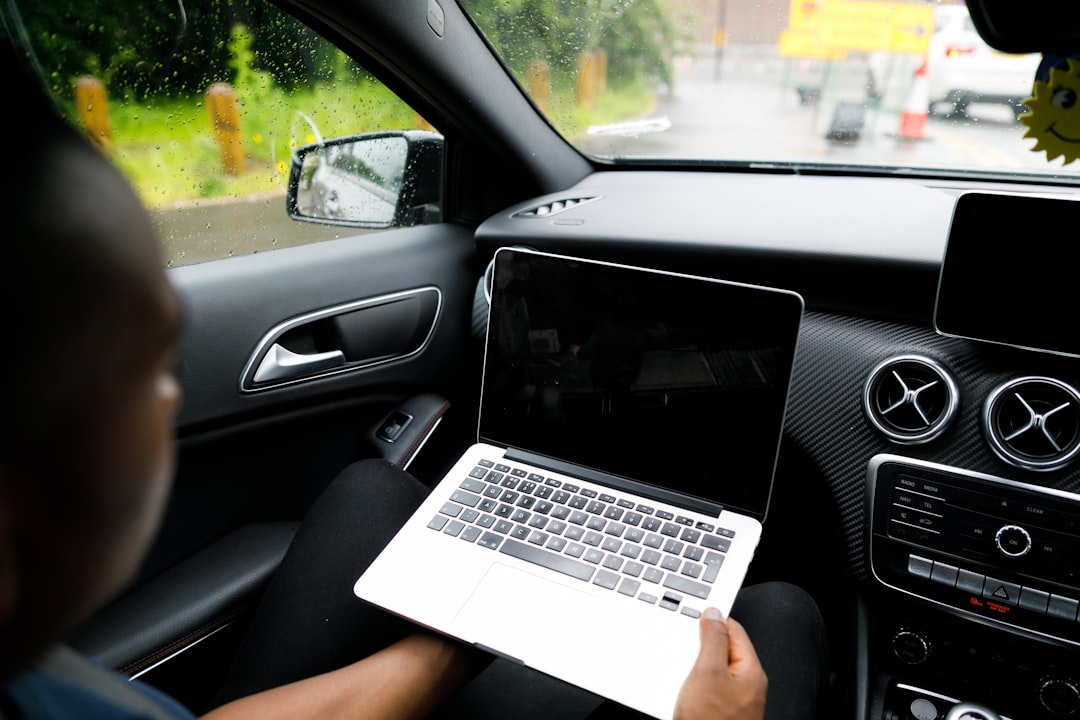
How to Get Full Coverage Car Insurance Quotes Without Losing Your Mind
The single most effective move is pulling at least four to five quotes before you commit to anything. Geico, Progressive, State Farm, and Allstate are the obvious starting points. Don’t overlook USAA if you’re military or a veteran — their rates undercut the big four more often than not.
Here’s the actual process that works:
- Start with a comparison site. The Zebra, Insurify, or NerdWallet will pull multiple full coverage car insurance quotes in about five minutes. Not every insurer participates, but you’ll get a solid baseline fast.
- Go direct to the top two or three. Call them or use their online tools. Progressive’s “Name Your Price” feature lets you reverse-engineer a quote from a monthly budget — genuinely useful, not just a gimmick.
- Check your bank or credit union. Many partner with insurers to offer group discount rates that never surface on comparison sites. Worth a five-minute call.
What’s Actually Wrecking Your Quote
Insurers crunch your data through models that would make an actuary blush. The factors that quietly move the needle the most:
- Credit score — In 45 states, bad credit can spike your premium by 50% or more. It’s maddening. It’s also legal. Work on the score and re-quote in six months.
- Deductible level — Bumping your collision deductible from $250 to $1,000 can cut that portion of your premium by 15–30%. Only make this move if you’ve got that $1,000 sitting in savings, not on a credit card.
- Annual mileage — Driving under 7,500 miles a year? Say so explicitly. Low-mileage discounts are real and frequently ignored.
- Vehicle value — If your car is worth less than $4,000, do the math on whether comprehensive and collision still make financial sense. Sometimes they don’t.
Discounts Worth Asking About Directly
Insurers don’t always volunteer these. Ask for them by name:
- Bundling discount — Combining home and auto with one insurer typically saves $300–$500 per year
- Defensive driving course — AAA offers one for around $20, and it can knock 5–10% off your rate
- Telematics programs — Geico’s DriveEasy, Progressive’s Snapshot, and State Farm’s Drive Safe & Save track your driving habits and can cut 10–30% for careful drivers
- Pay-in-full discount — Paying your annual premium upfront instead of monthly usually saves another 5–10%
Make It a Habit, Not a One-Time Thing
Here’s what separates the drivers who consistently pay less: they re-shop their full coverage car insurance quotes every 12 to 18 months. Auto-renewal is comfortable for the insurer, not for your wallet. Rates change, your driving profile changes, and new competitors enter your market constantly.
Set a calendar reminder right now. Treat it like a subscription audit — the kind that actually pays off. Drivers who compare annually tend to save $200–$400 per year without changing their coverage at all. That’s real money, not rounding error.
Here’s your action item: Pull three to four full coverage car insurance quotes this week using The Zebra or Insurify, then call the cheapest one directly and ask if they can beat their own online rate. Takes 20 minutes. The worst outcome is confirming you’re already getting a fair deal. The best outcome is a few hundred dollars back in your pocket every year — no coupons required.
Featured photo by Samsung Memory US on Unsplash