
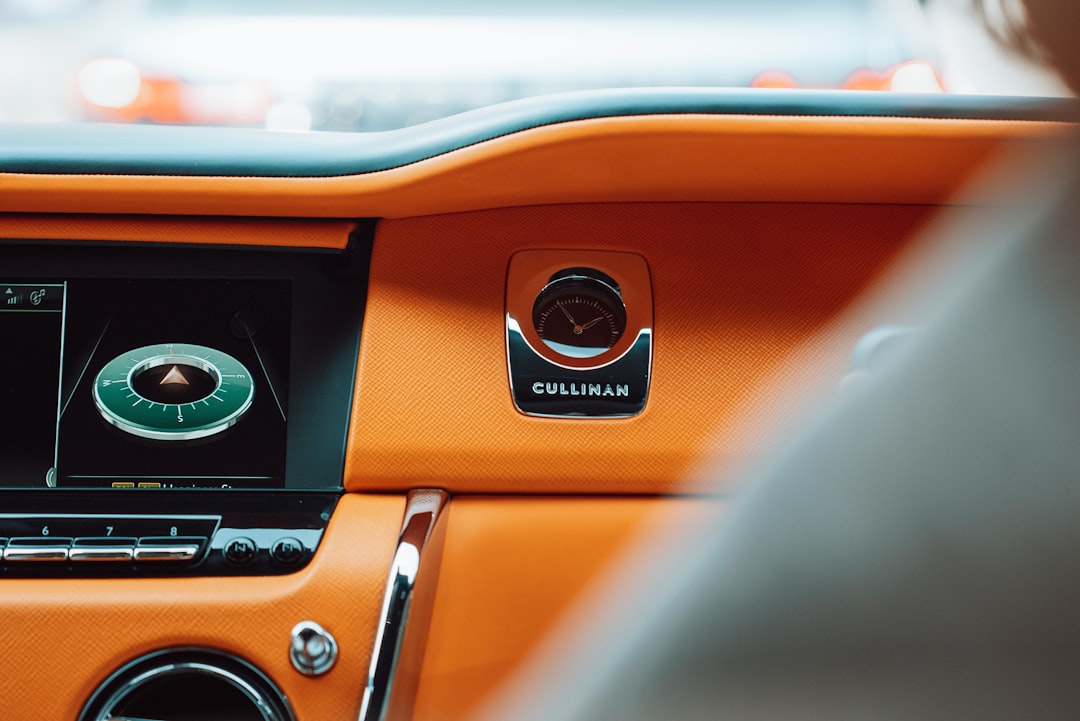
Buying a BMW 5 Series or a Mercedes-Benz E-Class is the easy part. Then you get the insurance quote. Car insurance for luxury vehicles runs significantly higher than what you’d pay for a Toyota Camry — sometimes two or three times more — and if you’re not shopping smart, you’re leaving serious money on the table every year.
Here’s what’s actually driving up your premium and, more importantly, what you can do about it.
Why Car Insurance for Luxury Vehicles Costs More
Insurance companies aren’t being dramatic. Luxury cars genuinely cost more to repair and replace. A fender bender on an Audi A6 might require proprietary aluminum panels, specialized sensors, and dealer-only parts that run $3,000–$5,000 before labor. The same dent on a Honda Accord? Maybe $800.
A few factors that send your rate north:
- Higher replacement value: A new Lexus LS averages $78,000. Full coverage on anything worth that much carries real liability for the insurer.
- Advanced tech: Lane-keep assist, adaptive cruise control, and 360-degree cameras sound great until one gets clipped. Replacing a single sensor cluster can run $2,500 or more.
- Theft risk: Luxury vehicles are stolen at higher rates. Cadillac Escalades, in particular, are a consistent favorite — CarFax data shows premium SUVs have disproportionately high theft rates.
- Specialized labor: You’re not taking your S-Class to Pep Boys. Dealer labor rates hit $180–$250 per hour versus $90–$120 at an independent shop.
Average annual premiums for luxury vehicles range from $2,200 to $4,500 per year, compared to $1,400–$1,800 for mainstream sedans. With the right strategy, you can trim that considerably.

Coverage You Actually Need (And What You Can Skip)
With a luxury vehicle, the wrong coverage is expensive in both directions — too little and a claim wipes you out, too much and you’re subsidizing your insurer’s profit margins.
Agreed value vs. actual cash value: Standard policies pay out actual cash value after depreciation. On a $90,000 Mercedes that’s two years old, you might walk away with $65,000 after a total loss. An agreed value policy locks in a set payout upfront — worth asking about, especially for performance cars like a Porsche 911 or Corvette Z06.
Gap insurance: If you financed your luxury car, gap coverage pays the difference between what the car is worth and what you still owe. Given how fast premium vehicles depreciate, this isn’t optional — it’s essential.
OEM parts coverage: Some insurers default to aftermarket parts in repairs. For a luxury vehicle, that’s a problem. Add an OEM endorsement so your Audi gets Audi parts, not knockoffs from a parts warehouse in Ohio.
Roadside and rental: Progressive and Geico both offer robust roadside packages. If your daily driver is worth $70,000, look for concierge-level towing that will haul it to an authorized dealer, not just the nearest shop.
How to Cut Your Premium Without Cutting Corners
Here’s the good news: car insurance for luxury vehicles doesn’t have to max out your budget. A few tactics that actually move the needle:
- Bundle home and auto: State Farm and Allstate both offer meaningful multi-policy discounts — typically 10–25% off auto. On a $3,500 annual premium, that’s up to $875 back in your pocket.
- Raise your deductible: Jumping from $500 to $1,000 on comprehensive and collision can drop your annual premium by 15–20%. Park that savings in a separate fund.
- Shop specialty insurers: Companies like Hagerty and Chubb specialize in high-value vehicles and often beat standard carriers on both price and coverage for cars worth $60,000 or more.
- Install a GPS tracker: A LoJack unit runs about $700 installed but can knock 10–15% off your premium with many insurers. On a theft-prone Escalade, it pays for itself within a year.
- Check your credit score: Most states allow insurers to factor in credit. Improving your score from fair to good can reduce your annual premium by $400–$600. Worth a free pull from AnnualCreditReport.com.
Key Takeaways
- Luxury vehicle insurance runs $2,200–$4,500 per year — get at least three quotes before renewing
- Consider agreed value policies for high-end or performance cars
- Always add OEM parts coverage and gap insurance if you financed
- Specialty insurers like Hagerty and Chubb frequently beat mainstream carriers on value
- Bundling, raising your deductible, and adding a GPS tracker can meaningfully lower your rate
The bottom line: car insurance for luxury vehicles is genuinely more expensive, but it’s not a fixed cost. Get quotes from at least three carriers — including one specialty insurer — before your next renewal. Your premium should reflect your actual risk profile, not just the badge on your hood.
Ready to stop overpaying? Pull quotes from Geico, Progressive, and Chubb this week and compare them side by side. Ten minutes of shopping could save you $800 a year or more — enough to cover a few tanks of premium gas and then some.
Featured photo by Nejc Soklič on Unsplash